Types of Keris in Bali: Sacred Symbolism and Spiritual Power
Each keris has distinct characteristics depending on its regional origin. Across Indonesia, keris can be found in Java, Bali, Madura, Bugis, Lombok, and other cultural regions—each carrying unique artistic features and spiritual meanings.
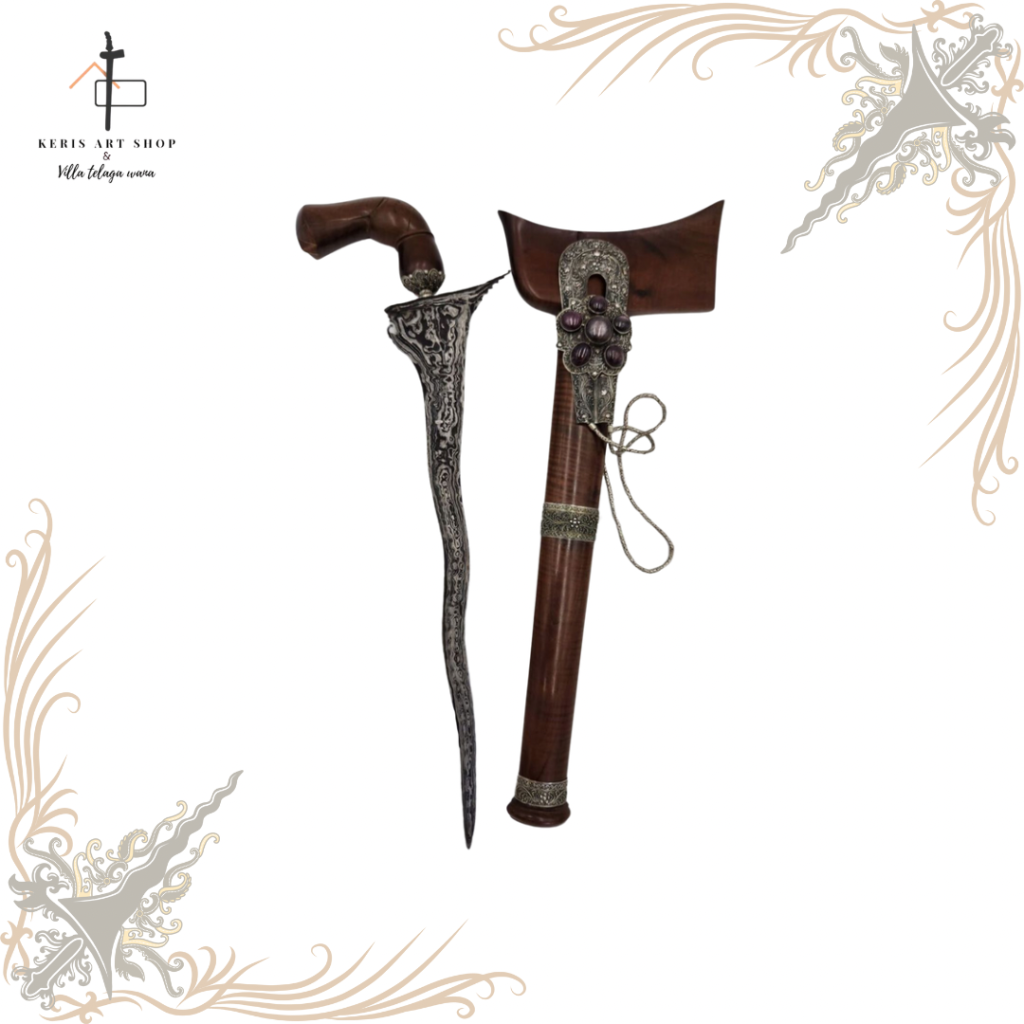
Javanese keris is known for its elegant design, smooth curves, and intricately carved warangka (keris sheath). Meanwhile, Balinese keris stands out as a symbol of spiritual sanctity and sacred protection.
Balinese Keris – Symbol of Sacredness and Spiritual Protection
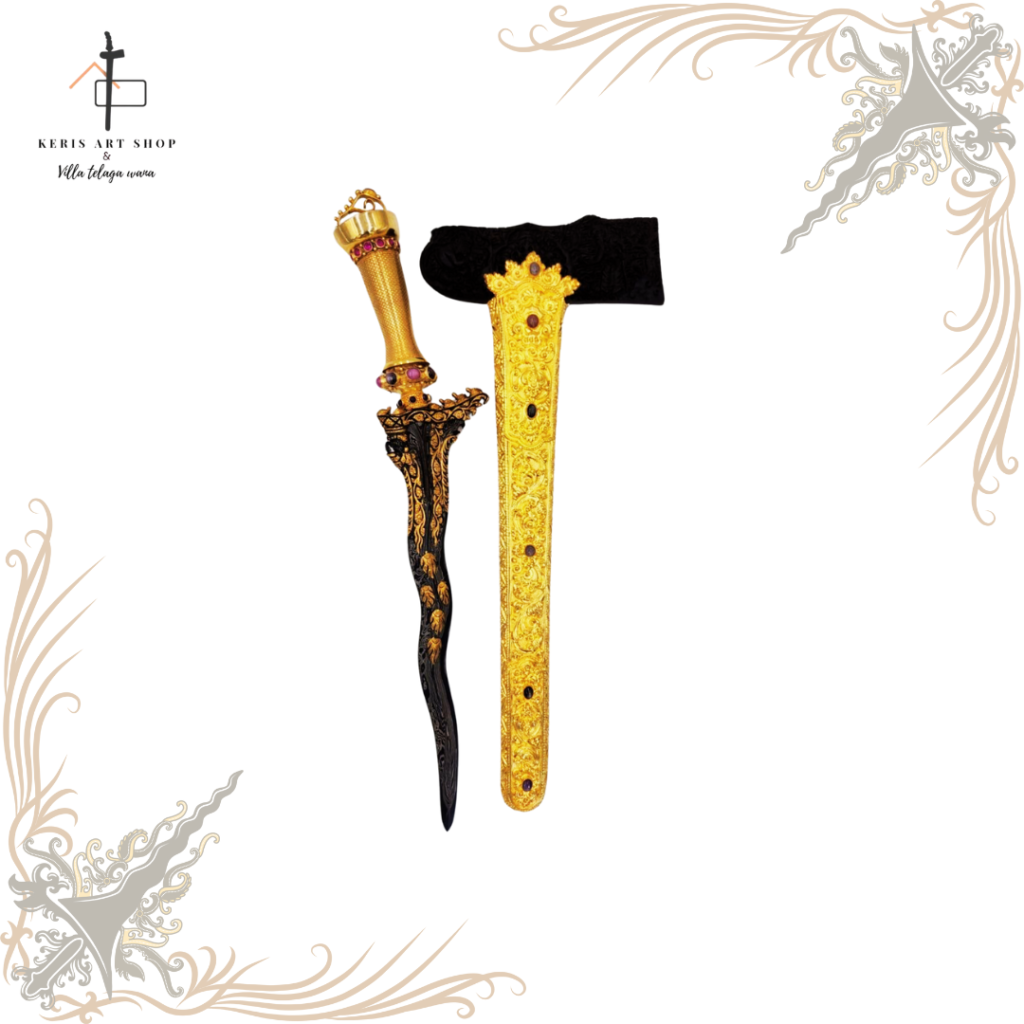
The Balinese keris typically features a larger blade with elaborate carvings and decorations, often adorned with gold or silver elements. It is not only considered a sacred heirloom (pusaka) but also plays an important role in Hindu Balinese rituals. Meaning: The Balinese keris symbolizes high spiritual power, protection against negative energies, and acts as a powerful object in ceremonial cleansing and exorcism rituals (penolak bala).
Below are the main types of Balinese keris and their meanings:
- Luk 3 Balinese Keris – Symbol of Strength and Early Courage
A keris with three curves often used in ceremonies as a spiritual shield. Meaning: Represents courage in facing life’s early challenges and fundamental spiritual strength.
- Luk 5 Balinese Keris – Balance of Body and Soul
Featuring five curves, this keris is typically used by spiritual leaders in traditional rituals. Meaning: Symbolizes harmony between mind, body, and spiritual well-being.
- Luk 7 Balinese Keris – Wisdom and Inner Clarity
Often held by community leaders or spiritual elders in Balinese society. Meaning: Denotes intelligence, mature judgment, and inner strength in wise leadership.
- Straight Balinese Keris (No Luk) – Purity and Steadfast Intent
Straight-bladed keris are often used in highly sacred religious contexts. Meaning: Represents pure intentions, sincerity of heart, and firm spiritual resolve.
- Pamor Beras Wutah – Prosperity and Blessings
This keris features a grain-like metal pattern resembling scattered rice. Meaning: A symbol of abundance, flowing fortune, and family prosperity.
- Pamor Udan Mas – Wealth and Good Fortune
Recognized by its “golden rain” pattern on the blade. Meaning: Attracts positive energy, success in business, and overall fortune in life.